AI
Everything You Should Know About AI Deepfakes

In recent years, artificial intelligence has unlocked remarkable capabilities, from generating lifelike text to creating stunning artwork. However, one of its most intriguing—and controversial—applications is the creation of deepfakes. These AI-generated media, often hyper-realistic videos or audio, have sparked fascination, concern, and debate across the globe. Here’s a comprehensive look at what deepfakes are, how they work, their implications, and what the future might hold.
What Are Deepfakes?
The term “deepfake” is a blend of “deep learning” (a subset of AI) and “fake.” Deepfakes refer to synthetic media—typically videos, images, or audio—where a person’s likeness is digitally altered or entirely fabricated to appear authentic. Imagine a video of a celebrity saying something they never said, or a politician appearing to confess to a scandal that never happened. What sets deepfakes apart from traditional photo or video editing is their realism, driven by advanced machine learning techniques.
Deepfakes first gained widespread attention around 2017, when an anonymous Reddit user began posting AI-manipulated videos swapping celebrities’ faces into adult films. Since then, the technology has evolved rapidly, becoming more accessible and sophisticated.
How Do Deepfakes Work?
At the core of deepfake technology are neural networks, particularly a type called Generative Adversarial Networks (GANs). Here’s a simplified breakdown of the process:
- Data Collection: The AI needs a large dataset of images, videos, or audio of the target person. The more data, the better the result.
- Training the Model: Two neural networks work in tandem—a “generator” creates fake content, while a “discriminator” evaluates its authenticity. They compete, refining the output until it’s convincingly real.
- Face or Voice Mapping: For video deepfakes, the AI maps the target’s facial expressions, movements, and lighting onto another person’s footage. For audio, it mimics speech patterns and tone.
- Rendering: The final product is polished to eliminate obvious glitches, resulting in a seamless fake.
Tools like DeepFaceLab, MyHeritage’s Deep Nostalgia, and even smartphone apps have democratized deepfake creation, meaning you don’t need to be a tech wizard to make one anymore.
The Good: Creative and Practical Uses
Deepfakes aren’t inherently malicious. They have legitimate, even exciting, applications:
- Entertainment: Hollywood uses deepfake tech to de-age actors (think Robert De Niro in The Irishman) or resurrect historical figures for documentaries.
- Art and Expression: Artists create surreal, thought-provoking pieces by blending realities.
- Language Dubbing: Deepfakes can sync an actor’s lip movements to dubbed audio, making foreign films feel more natural.
- Education and Preservation: Imagine historical figures “speaking” to students using archival audio and video.
For example, in 2021, a viral video showed Tom Cruise seemingly performing magic tricks—later revealed as a deepfake created by VFX artist Chris Ume. It was harmless fun, showcasing the tech’s potential.
The Bad: Misinformation and Harm
The dark side of deepfakes is where the real concerns lie. Their ability to deceive has serious implications:
- Fake News: A deepfake video of a world leader declaring war could spark panic or conflict. In 2019, a manipulated video of Nancy Pelosi appearing drunk spread widely online, highlighting the risk to public trust.
- Revenge Porn: Non-consensual deepfake pornography, often targeting women, remains a major ethical and legal issue. Studies suggest over 90% of deepfakes online are pornographic.
- Fraud: Scammers use voice deepfakes to impersonate CEOs or loved ones, tricking victims into sending money. In one case, a UK firm lost $243,000 to a deepfake audio scam.
- Erosion of Trust: As deepfakes proliferate, people may start questioning all media, leading to a “liar’s dividend” where even real evidence is dismissed as fake.
How to Spot a Deepfake
While deepfakes are getting harder to detect, there are still telltale signs—for now:
- Unnatural Blinking: Early deepfakes struggled with realistic eye movements.
- Lighting Inconsistencies: Shadows or reflections might not align perfectly.
- Audio-Video Mismatch: Lip-syncing can be slightly off, or the voice might sound robotic.
- Behavioral Oddities: Does the person move or speak in an uncharacteristic way?
AI detection tools, like those developed by companies such as Deepware or Sensity, are also emerging to combat the problem, though it’s an ongoing arms race between creators and detectors.
The Legal and Ethical Landscape
Governments are scrambling to address deepfakes. In the U.S., states like California and Texas have passed laws banning malicious deepfakes, especially around elections or non-consensual porn. The EU’s AI Act, set to take effect in 2025, aims to regulate AI-generated content more broadly. However, enforcement is tricky—deepfake tools are often open-source, and perpetrators can hide behind anonymity.
Ethically, deepfakes raise questions about consent, privacy, and truth. Should you be allowed to put someone’s face in a video without permission? Who’s liable if a deepfake causes harm—the creator, the platform, or the AI itself?
The Future of Deepfakes
As AI improves, deepfakes will only get more convincing. Real-time deepfakes—where someone’s face is swapped live during a video call—are already possible. Companies like NVIDIA and startups like Synthesia are pushing boundaries, offering tools to create synthetic avatars for business or personal use.
On the flip side, countermeasures are advancing. Blockchain-based authentication could verify media authenticity, while watermarking AI-generated content might become standard. Public awareness will also play a role—knowing deepfakes exist makes people less likely to fall for them.
What You Can Do
- Stay Skeptical: Double-check sources, especially for sensational content.
- Protect Yourself: Limit the personal data (photos, videos, voice recordings) you share online to reduce your “deepfake footprint.”
- Support Regulation: Advocate for laws that balance innovation with accountability.
Conclusion
AI deepfakes are a double-edged sword. They’re a testament to human ingenuity, capable of entertaining and educating us, yet they also threaten trust and security in an already polarized world. Understanding how they work, their potential, and their risks is the first step to navigating this brave new reality. As of March 24, 2025, we’re still in the early chapters of the deepfake story—how it ends depends on how we choose to wield, or curb, this powerful technology.

The content on CoinReporter.io is for informational purposes only and is not financial or investment advice. Cryptocurrency investments are highly volatile and risky. Always conduct your own research and consult a qualified financial advisor before making any investment decisions. CoinReporter.io and its authors are not liable for any losses resulting from actions based on this website’s content.











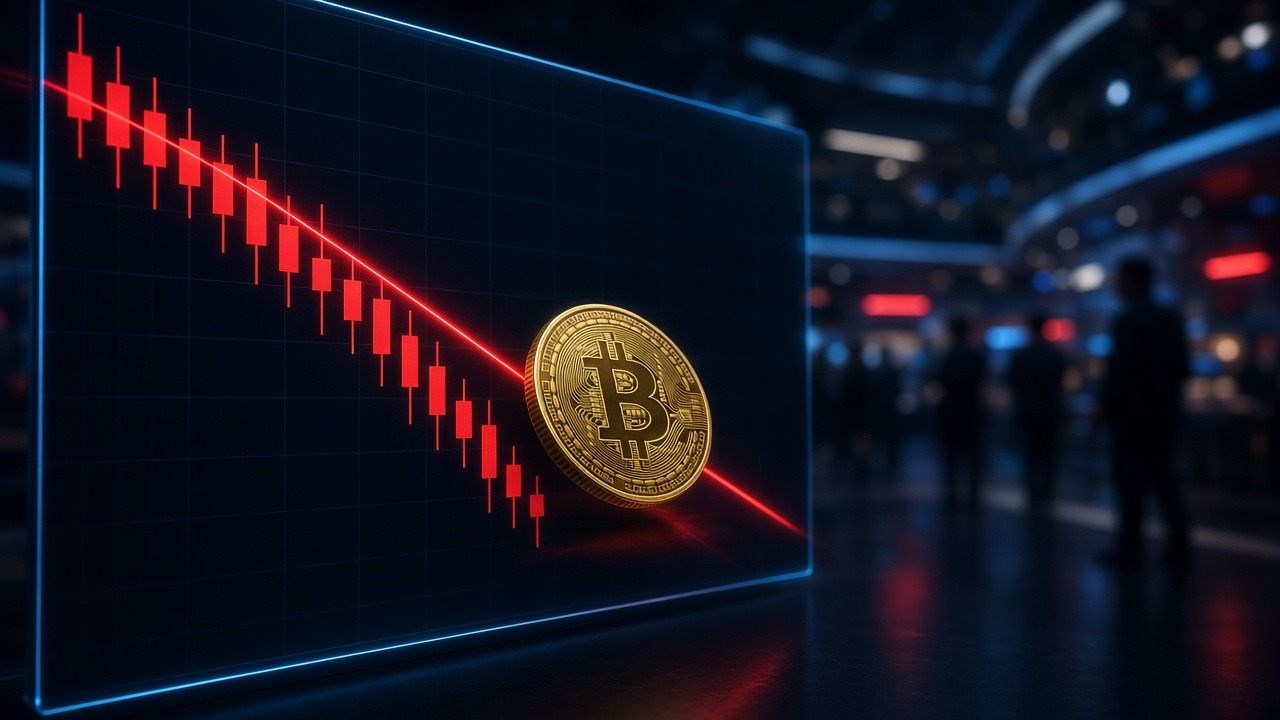
The stock market sell-off that pushed the S&P 500 into a correction on Friday came from a collapse in the AI trade, fears of more rate hikes and forced selling, and crypto has fallen with it. Bitcoin traded at $61,310 at 12:07 UTC on Monday, about 21% below where it opened November.
On Friday, Nov. 20, the S&P 500 fell 3.7% to 6,910.39 and the Nasdaq Composite dropped 5.28% to 22,617.73, wiping out its gain for 2026. The Dow lost 949.73 points, or 1.93%. Both the S&P 500 and the Dow closed more than 10% below their records, the usual definition of a correction.
Over the week the Nasdaq fell about 10% and the Dow 8%, their worst weeks since March 2020. The S&P 500 dropped 8.6%, its worst week since April 2025, CNBC data shows. Yahoo Finance estimates that about $8 trillion has been wiped from the S&P 500 since its Oct. 6 peak.
Why stocks fell
The trigger was the AI trade. Anthropic’s record IPO became a sell-the-news moment: the shares priced at $83, jumped above $115 on the first day, then reversed and ended the week at $88.91. Bitcoin hit a four-month low on the day after the debut.
Nvidia fell 14% on Friday and 23% over the week after Reuters reported that the SEC is looking at possible accounting issues at the chipmaker. The company was already shaken by Jensen Huang’s resignation as CEO this month, and its board has ruled out his return.
Rates added pressure. Oil remains above $83 a barrel because of the Iran conflict, inflation is still well above the Fed’s 2% target, and the 10-year Treasury yield traded above 5% until Friday’s rush into bonds. Fed governor Christopher Waller has said a half-point hike may be needed next month.
Chart signals made it worse. Once the S&P 500 broke below its 200-day moving average, trend-following funds known as CTAs turned into automatic sellers. Slowing AI revenue growth and the Democrats’ midterm wins, which could bring tighter rules on data centres, also weighed on tech stocks.
Why crypto is down too
Crypto has traded like a high-risk tech asset, not a hedge. Bitcoin dropped to about $55,130 on Saturday, Nov. 21, before bouncing. Between Oct. 6 and Nov. 18, the S&P 500 fell about 6.3% while bitcoin fell about 27%, according to Abe Sheikh of Cordoba Advisory Partners.
Data from Fairlead Strategies shows bitcoin’s correlation with the Nasdaq-100 rising since late September. Higher rates also hurt: with cash accounts paying about 5%, assets that pay no yield, such as bitcoin and gold, look less attractive, wealth managers told CNBC. The Crypto Fear & Greed Index stood at 11, in extreme fear, on Monday.
Rebound or pause?
Monday brought a bounce in US futures. Before the open, S&P 500 futures were up 2.6% and Nasdaq-100 futures 3%, Yahoo Finance reported, though the VIX stayed at its highest since the April 2025 tariff shock. Asia was weaker: South Korea’s KOSPI fell about 4% to a 10-month low before finding support.
Goldman Sachs says a lasting bottom likely needs better news on AI earnings, a dovish signal from the Fed or a sharp drop in investor positioning. Until one of those arrives, crypto traders are watching Wednesday’s PCE inflation data and the Fed’s Dec. 8-9 meeting.
References: CNBC, CNBC on bitcoin, Yahoo Finance


Bitcoin Sits 51% Below Its All-Time High as Crypto Market Loses $2.2 Trillion
Bitcoin is trading 51.4% below its all-time high, and the total crypto market has lost about $2.2 trillion, or roughly...


Stock Market Sell-Off Explained: Why Wall Street Tumbled and Crypto Fell With It
The stock market sell-off that pushed the S&P 500 into a correction on Friday came from a collapse in the...


Terra Classic (LUNC) Jumps 21% in a Week as Validators Vote on v4.2.0 Upgrade
Terra Classic’s LUNC token has climbed about 21% over the past week, even as the wider crypto market sits in...


Hong Kong Adds Hyperliquid to Suspicious Platforms List as CFTC Chair Outlines US Route
Hong Kong’s Securities and Futures Commission (SFC) has added Hyperliquid to its suspicious platforms list for virtual asset trading, flagging...


Sky’s USDS Stablecoin Shrinks More Than 30% as $1.5 Billion Leaves Its Reserve
The supply of Sky’s USDS stablecoin fell by more than 30% to about $3.2 billion after more than $1.5 billion...


Bitcoin Hits Four-Month Low Near $61,300 as $700 Million in Liquidations Follow Anthropic IPO
Bitcoin fell to a four-month low near $61,300 late Thursday, its weakest level since early July, as a sell-off in...


MoonPay Files for National Trust Bank Charter to Issue Stablecoins in the US
MoonPay has applied for a US national trust bank charter that would let it issue and redeem stablecoins, manage their...


BlackRock’s IBIT Posts Record $541 Million Outflow as Bitcoin ETFs Lose $582 Million
US spot Bitcoin ETFs lost $582.3 million on Thursday, Nov. 19, nearly double the previous day’s outflow, as BlackRock’s iShares...


Bitcoin Slips to $63,600 as Fed Minutes Show October Hold Was a ‘Close Call’
Bitcoin fell to about $63,600 on Thursday after minutes of the Federal Reserve’s October meeting showed some officials viewed their...


Tokenized Anthropic Stock Heads to BNB Chain on Day of Record $81.3 Billion IPO
Tokens tracking Anthropic’s stock will go live on BNB Chain on the artificial intelligence company’s first day of public trading,...
-

 DeFi4 weeks ago
LUNC Hits 462B Burned After v4.1.1 Upgrade
-

 Crypto5 days ago
Zelle Picks Solana for ZelleUSD Stablecoin After $1.2 Trillion Year of US Payments
-

 Crypto1 week ago
Ether ETFs Lose $399 Million for Seventh Straight Week, Nearing Record Outflow Streak
-

 DeFi1 month ago
BNB Standard Corporation
-

 Crypto4 weeks ago
DTCC Launches Tokenization Service Covering Approximately $30 Trillion in Securities
-

 DeFi1 month ago
Binance-Linked Transfer Triggers 347 Million LUNC Burn
-

 Bitcoin5 days ago
Crypto Market Analysis: Bitcoin Slips Below $63,000 as Fear Grips Traders
-

 Crypto4 weeks ago
Memecoin PEPE Rallies on Reported Large Holdings Linked to Justin Sun; Broader Tokenization Debate Continues
-

 DeFi4 weeks ago
Ripple Secures Final OCC Approval for National Trust Bank to Oversee RLUSD
-

 Bitcoin4 weeks ago
Federal Reserve Holds Rates Steady as Bitcoin Trades Near $80,000; December Hike Odds Rise
-

 Bitcoin1 week ago
Bitcoin Falls to Three-Month Low Below $63,000 as Liquidations Top $1.9 Billion
-

 Bitcoin4 days ago
Bitcoin ETFs Lose $306.5 Million as Citi Cuts Its 12-Month Target to $99,532
-

 DeFi4 weeks ago
Crypto Liquidations Surge Past $400 Million in Hours as Bitcoin Briefly Dips Below $80,000
-

 Crypto1 week ago
DTCC Adds Solana to Tokenization Service, Targeting Second Half of 2027
-

 DeFi1 month ago
Bitcoin Slides Below $81,500 as Tech Sell-Off and Elevated Oil Prices Hit Risk Assets
-

 Bitcoin6 days ago
Bitcoin ETFs Extend Outflow Streak to Eight Days as Traders Brace for Nvidia Earnings
-

 Crypto4 weeks ago
Hyperliquid Permanently Burns Nearly 5% of Maximum HYPE Supply Amid Broader Token Burn Trends
-

 DeFi2 weeks ago
Bitcoin Tests $75,200 Support
-

 DeFi3 weeks ago
Stablecoin Issuers and Partners Freeze Billions Linked to Binance Incident
-

 DeFi1 month ago
Strive Adds $335 Million in Bitcoin to Corporate Treasury
-

 DeFi2 weeks ago
Bitcoin Crashes Toward $75K
-

 Bitcoin1 week ago
Bitcoin Slides Toward Sixth Weekly Loss as $1.23 Billion in Liquidations Hit Longs
-

 Crypto1 week ago
Nvidia Names Colette Kress Interim CEO After Jensen Huang Resigns
-
Bitcoin4 days ago
Bitcoin Slips to $63,600 as Fed Minutes Show October Hold Was a ‘Close Call’
-

 DeFi3 weeks ago
Bitcoin Rebounds Past $80,000 as Midterms Conclude and Markets Digest Binance Hack Details
-

 DeFi4 weeks ago
Moody’s Assigns Investment-Grade A2 Rating to Ripple’s RLUSD; Coinbase Lists the Stablecoin
-

 DeFi1 month ago
BlackRock Files for “Buffer” Bitcoin ETF (Ticker: PBIT)
-

 DeFi3 weeks ago
Bitcoin Falls Below $77,000 as Chip Stocks Sell Off Ahead of U.S. Midterms
-

 DeFi3 weeks ago
U.S. Spot Bitcoin ETFs See Multi-Hundred-Million Outflows as Post-Hack Caution Weighs
-

 DeFi1 month ago
Mastercard Advances AI Agent Payments
-

 DeFi2 weeks ago
Bitcoin Dips to Multi-Week Lows Near $75,200 Before Recovering Above $76,000
-

 Bitcoin3 weeks ago
Bitcoin Slides Below $78,000 as Risk-Off Sentiment Intensifies
-
Crypto4 days ago
Tokenized Anthropic Stock Heads to BNB Chain on Day of Record $81.3 Billion IPO
-

 DeFi2 weeks ago
Crypto Market Stabilizes After Sharp Dip
-

 DeFi1 month ago
JPMorgan
-

 DeFi3 weeks ago
Binance Suffers Record $6.3 Billion Security Incident — Largest Crypto Heist in History