AI
Stock Market Sell-Off Explained: Why Wall Street Tumbled and Crypto Fell With It

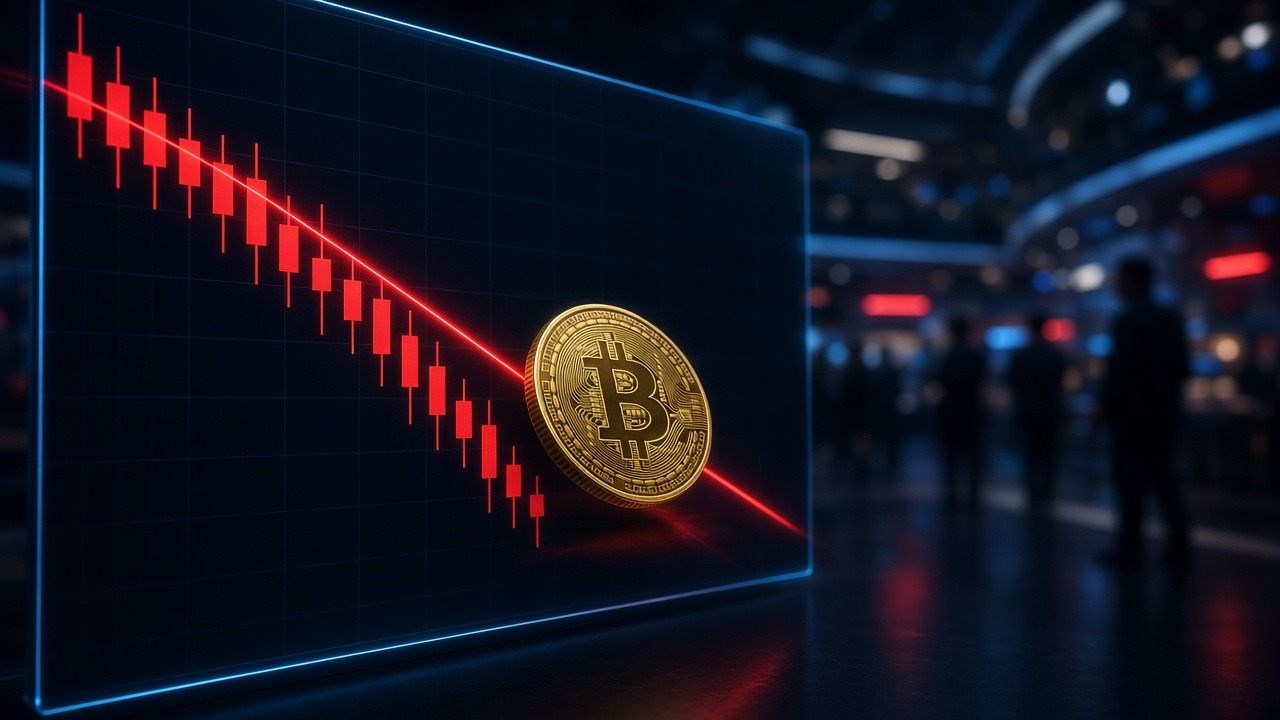
The stock market sell-off that pushed the S&P 500 into a correction on Friday came from a collapse in the AI trade, fears of more rate hikes and forced selling, and crypto has fallen with it. Bitcoin traded at $61,310 at 12:07 UTC on Monday, about 21% below where it opened November.
On Friday, Nov. 20, the S&P 500 fell 3.7% to 6,910.39 and the Nasdaq Composite dropped 5.28% to 22,617.73, wiping out its gain for 2026. The Dow lost 949.73 points, or 1.93%. Both the S&P 500 and the Dow closed more than 10% below their records, the usual definition of a correction.
Over the week the Nasdaq fell about 10% and the Dow 8%, their worst weeks since March 2020. The S&P 500 dropped 8.6%, its worst week since April 2025, CNBC data shows. Yahoo Finance estimates that about $8 trillion has been wiped from the S&P 500 since its Oct. 6 peak.
Why stocks fell
The trigger was the AI trade. Anthropic’s record IPO became a sell-the-news moment: the shares priced at $83, jumped above $115 on the first day, then reversed and ended the week at $88.91. Bitcoin hit a four-month low on the day after the debut.
Nvidia fell 14% on Friday and 23% over the week after Reuters reported that the SEC is looking at possible accounting issues at the chipmaker. The company was already shaken by Jensen Huang’s resignation as CEO this month, and its board has ruled out his return.
Rates added pressure. Oil remains above $83 a barrel because of the Iran conflict, inflation is still well above the Fed’s 2% target, and the 10-year Treasury yield traded above 5% until Friday’s rush into bonds. Fed governor Christopher Waller has said a half-point hike may be needed next month.
Chart signals made it worse. Once the S&P 500 broke below its 200-day moving average, trend-following funds known as CTAs turned into automatic sellers. Slowing AI revenue growth and the Democrats’ midterm wins, which could bring tighter rules on data centres, also weighed on tech stocks.
Why crypto is down too
Crypto has traded like a high-risk tech asset, not a hedge. Bitcoin dropped to about $55,130 on Saturday, Nov. 21, before bouncing. Between Oct. 6 and Nov. 18, the S&P 500 fell about 6.3% while bitcoin fell about 27%, according to Abe Sheikh of Cordoba Advisory Partners.
Data from Fairlead Strategies shows bitcoin’s correlation with the Nasdaq-100 rising since late September. Higher rates also hurt: with cash accounts paying about 5%, assets that pay no yield, such as bitcoin and gold, look less attractive, wealth managers told CNBC. The Crypto Fear & Greed Index stood at 11, in extreme fear, on Monday.
Rebound or pause?
Monday brought a bounce in US futures. Before the open, S&P 500 futures were up 2.6% and Nasdaq-100 futures 3%, Yahoo Finance reported, though the VIX stayed at its highest since the April 2025 tariff shock. Asia was weaker: South Korea’s KOSPI fell about 4% to a 10-month low before finding support.
Goldman Sachs says a lasting bottom likely needs better news on AI earnings, a dovish signal from the Fed or a sharp drop in investor positioning. Until one of those arrives, crypto traders are watching Wednesday’s PCE inflation data and the Fed’s Dec. 8-9 meeting.
References: CNBC, CNBC on bitcoin, Yahoo Finance

The content on CoinReporter.io is for informational purposes only and is not financial or investment advice. Cryptocurrency investments are highly volatile and risky. Always conduct your own research and consult a qualified financial advisor before making any investment decisions. CoinReporter.io and its authors are not liable for any losses resulting from actions based on this website’s content.





















Binance has continued its long-running commitment to the Terra Classic ecosystem by burning 522,448,771 LUNC in March 2026. The monthly burn is part of the exchange’s established program that allocates 50% of LUNC trading fees collected on the platform to be permanently removed from circulation.
This latest burn brings the total LUNC destroyed by Binance since the program launched in 2022 to approximately 83.64 billion tokens. The initiative aims to support the long-term sustainability of the Terra Classic network by steadily reducing the circulating supply of LUNC.
Consistent Supply Reduction Mechanism
Under the program, Binance automatically directs half of the trading fees generated from LUNC pairs into a burn wallet each month. This transparent, fee-based approach has become one of the most reliable deflationary mechanisms for the token, providing steady supply pressure without relying solely on community-driven tax burns or validator contributions.
The March figure of roughly 522 million LUNC reflects ongoing trading activity on the exchange and demonstrates Binance’s sustained engagement with the Terra Classic community despite the token’s volatile history following the 2022 Terra collapse.
Broader Context for Terra Classic
Binance’s burns complement other ecosystem efforts, including on-chain tax burns and validator-initiated transactions. While the cumulative impact has removed tens of billions of tokens over the years, LUNC’s total supply remains in the trillions, meaning significant further reductions are still needed for meaningful scarcity effects.
The exchange has also introduced greater transparency in recent months, with a dedicated LUNC burn tracking portal that allows the community to monitor burns in real time.
Outlook
Binance’s consistent monthly burns continue to signal institutional-level support for Terra Classic’s recovery efforts. As the network prepares for upgrades such as Core v4.0 and potential improvements to staking and utility, these supply-reduction actions provide a foundational layer of deflationary pressure.
Community sentiment around the burns remains largely positive, viewing them as a steady contribution toward rebuilding confidence in LUNC and its sister token USTC. However, meaningful price appreciation will likely depend on a combination of sustained burns, successful network upgrades, increased utility, and broader market conditions.
With April already seeing additional burn activity reported in the early days of the month, Binance’s ongoing program is expected to remain a key pillar of support for the Terra Classic ecosystem throughout 2026.


South Korea Crypto Tax Delay to 2029 Stalls Over Three- or Five-Year Loss Rule
South Korea’s plan to push its crypto tax back to 2029 has the support of both main parties, but it...


Binance Says Five New Asian Licences Are on Track After $6.3 Billion Hack
Binance says its plan to win five more licences in Asia is still on track, even after a $6.3 billion...


Bitcoin Sits 51% Below Its All-Time High as Crypto Market Loses $2.2 Trillion
Bitcoin is trading 51.4% below its all-time high, and the total crypto market has lost about $2.2 trillion, or roughly...


Stock Market Sell-Off Explained: Why Wall Street Tumbled and Crypto Fell With It
The stock market sell-off that pushed the S&P 500 into a correction on Friday came from a collapse in the...


Terra Classic (LUNC) Jumps 21% in a Week as Validators Vote on v4.2.0 Upgrade
Terra Classic’s LUNC token has climbed about 21% over the past week, even as the wider crypto market sits in...


Hong Kong Adds Hyperliquid to Suspicious Platforms List as CFTC Chair Outlines US Route
Hong Kong’s Securities and Futures Commission (SFC) has added Hyperliquid to its suspicious platforms list for virtual asset trading, flagging...


Sky’s USDS Stablecoin Shrinks More Than 30% as $1.5 Billion Leaves Its Reserve
The supply of Sky’s USDS stablecoin fell by more than 30% to about $3.2 billion after more than $1.5 billion...


Bitcoin Hits Four-Month Low Near $61,300 as $700 Million in Liquidations Follow Anthropic IPO
Bitcoin fell to a four-month low near $61,300 late Thursday, its weakest level since early July, as a sell-off in...


MoonPay Files for National Trust Bank Charter to Issue Stablecoins in the US
MoonPay has applied for a US national trust bank charter that would let it issue and redeem stablecoins, manage their...


BlackRock’s IBIT Posts Record $541 Million Outflow as Bitcoin ETFs Lose $582 Million
US spot Bitcoin ETFs lost $582.3 million on Thursday, Nov. 19, nearly double the previous day’s outflow, as BlackRock’s iShares...
-

 DeFi4 weeks ago
LUNC Hits 462B Burned After v4.1.1 Upgrade
-

 Crypto6 days ago
Zelle Picks Solana for ZelleUSD Stablecoin After $1.2 Trillion Year of US Payments
-

 Crypto1 week ago
Ether ETFs Lose $399 Million for Seventh Straight Week, Nearing Record Outflow Streak
-

 Crypto4 weeks ago
DTCC Launches Tokenization Service Covering Approximately $30 Trillion in Securities
-

 DeFi1 month ago
Binance-Linked Transfer Triggers 347 Million LUNC Burn
-

 Bitcoin6 days ago
Crypto Market Analysis: Bitcoin Slips Below $63,000 as Fear Grips Traders
-

 Crypto4 weeks ago
Memecoin PEPE Rallies on Reported Large Holdings Linked to Justin Sun; Broader Tokenization Debate Continues
-

 DeFi4 weeks ago
Ripple Secures Final OCC Approval for National Trust Bank to Oversee RLUSD
-

 Bitcoin1 week ago
Bitcoin Falls to Three-Month Low Below $63,000 as Liquidations Top $1.9 Billion
-

 Bitcoin4 weeks ago
Federal Reserve Holds Rates Steady as Bitcoin Trades Near $80,000; December Hike Odds Rise
-

 Bitcoin5 days ago
Bitcoin ETFs Lose $306.5 Million as Citi Cuts Its 12-Month Target to $99,532
-

 Crypto2 weeks ago
DTCC Adds Solana to Tokenization Service, Targeting Second Half of 2027
-

 DeFi1 month ago
Crypto Liquidations Surge Past $400 Million in Hours as Bitcoin Briefly Dips Below $80,000
-
 DeFi1 month ago
Bitcoin Slides Below $81,500 as Tech Sell-Off and Elevated Oil Prices Hit Risk Assets
-

 Bitcoin1 week ago
Bitcoin ETFs Extend Outflow Streak to Eight Days as Traders Brace for Nvidia Earnings
-

 Crypto4 weeks ago
Hyperliquid Permanently Burns Nearly 5% of Maximum HYPE Supply Amid Broader Token Burn Trends
-

 DeFi2 weeks ago
Bitcoin Tests $75,200 Support
-

 Crypto2 weeks ago
Nvidia Names Colette Kress Interim CEO After Jensen Huang Resigns
-
 Bitcoin5 days ago
Bitcoin Slips to $63,600 as Fed Minutes Show October Hold Was a ‘Close Call’
-

 DeFi4 weeks ago
Stablecoin Issuers and Partners Freeze Billions Linked to Binance Incident
-

 DeFi2 weeks ago
Bitcoin Crashes Toward $75K
-

 Bitcoin1 week ago
Bitcoin Slides Toward Sixth Weekly Loss as $1.23 Billion in Liquidations Hit Longs
-

 DeFi3 weeks ago
Bitcoin Rebounds Past $80,000 as Midterms Conclude and Markets Digest Binance Hack Details
-

 DeFi3 weeks ago
Bitcoin Falls Below $77,000 as Chip Stocks Sell Off Ahead of U.S. Midterms
-

 DeFi4 weeks ago
Moody’s Assigns Investment-Grade A2 Rating to Ripple’s RLUSD; Coinbase Lists the Stablecoin
-

 Crypto5 days ago
Tokenized Anthropic Stock Heads to BNB Chain on Day of Record $81.3 Billion IPO
-

 DeFi3 weeks ago
Bitcoin Dips to Multi-Week Lows Near $75,200 Before Recovering Above $76,000
-

 Crypto6 days ago
Top 10 Asia-Pacific Crypto News: South Korea Moves to Delay Crypto Tax to 2029 and More (Nov 11–17, 2026)
-

 DeFi3 weeks ago
U.S. Spot Bitcoin ETFs See Multi-Hundred-Million Outflows as Post-Hack Caution Weighs
-

 Bitcoin4 weeks ago
Bitcoin Slides Below $78,000 as Risk-Off Sentiment Intensifies
-

 DeFi3 weeks ago
Crypto Market Stabilizes After Sharp Dip
-

 DeFi4 weeks ago
Binance Suffers Record $6.3 Billion Security Incident — Largest Crypto Heist in History
-

 Crypto2 weeks ago
Visa Adds Western Union’s USDPT as First Anchorage Stablecoin for VisaNet Settlement
-

 DeFi4 weeks ago
Google Cloud Unveils Multi-Party Computation Custody Service for Banks
-
Bitcoin1 day ago
Terra Classic (LUNC) Jumps 21% in a Week as Validators Vote on v4.2.0 Upgrade
-

 DeFi2 weeks ago
Bitcoin Slips Toward $74,600