Bitcoin
Block (Jack Dorsey) Applies for U.S. Trust Bank Charter


Jack Dorsey’s payments company wants a federal vault, not a checking account.
On September 8, Block, Inc. (NYSE: XYZ) said it filed with the Office of the Comptroller of the Currency to charter Builders Bank & Trust, N.A. — an uninsured national trust bank. If the OCC says yes, the entity would sit under federal supervision and do custody and fiduciary work for bitcoin, stablecoins, and other digital assets. It would not take deposits, not make loans, and not carry FDIC insurance. It does not open until the OCC approves. An application is a queue ticket. It is not a bank.
What the charter is for
Block already moves crypto. Cash App and related rails have run digital-asset activity for years under a pile of state money-transmitter and virtual-currency licenses — more than 50 in some coverage — with on the order of $10.7 billion in bitcoin volume in 2025 and about two million monthly crypto users by mid-2026. A lot of that bitcoin is already self-custodied. KeyBanc’s read was blunt: the charter is less “we just learned how to hold keys” and more federal preemption. One OCC rulebook instead of a 50-state patchwork as the book scales.
The proposed three-year de novo plan is narrow: custody of bitcoin and other digital assets; customer buys and sells on a riskless principal basis; stablecoin settlement and transfer. Headquarters in filings is Sioux Falls, South Dakota, no branches. Block has asked the OCC to waive the usual “one director within 100 miles” rule. Lee Woolley, Block’s digital-asset strategy lead and a former Northern Trust / BNY Mellon / Treasury Department FCU executive, would be president and CEO. He sold the filing as economic empowerment plus Square Financial Services muscle. Square Financial Services is a separate industrial loan company. Builders Bank would be a different charter, not a rebrand of the ILC.
The crowd at the OCC window
This is not a lone wolf. Crypto and fintech names have been lining up for national trust charters as Washington opened a clearer path for digital-asset custody under federal watch. Block’s announcement landed the same day Chime moved on a sponsor-bank deal of its own. The product category is the same one BitGo already occupies for ETF wrappers and that every issuer pitching “institutional custody” has to explain to a consultant: who is the qualified custodian, and which statute are they under?
A national trust bank answers that with an OCC letterhead. It does not make Block a commercial bank. Customers of Builders Bank would not get deposit insurance. Fiduciary custody is a different liability stack. Anyone confusing this with “Cash App is now a bank” is reading the press release wrong.
What approval would change — and what it would not
Change: Block can market bitcoin and stablecoin safekeeping as a federally supervised trust activity, argue preemption against state examiners, and sit in the same conversation as other OCC-trust crypto custodians. Dorsey’s long bitcoin brief finally has a bank-shaped box around the keys.
Would not change: bitcoin’s monetary policy, Cash App’s consumer app, or the fact that Square Financial Services already exists. Would not guarantee the OCC says yes. Trust-charter applications die in comment letters, capital plans, and BSA exams. Uninsured + crypto is still a political object in a midterm year.
The institutionalization line is real and boring, which is how banking charters are supposed to sound. Custody is moving from state MTLs and privately branded wallets toward federal fiduciaries. Block just joined the queue. The interesting date is not September 8. It is the day — if it comes — that Builders Bank is allowed to hold the first bitcoin under an OCC trust certificate. Until then it is a filing, a CEO title, and a Sioux Falls address.

The content on CoinReporter.io is for informational purposes only and is not financial or investment advice. Cryptocurrency investments are highly volatile and risky. Always conduct your own research and consult a qualified financial advisor before making any investment decisions. CoinReporter.io and its authors are not liable for any losses resulting from actions based on this website’s content.



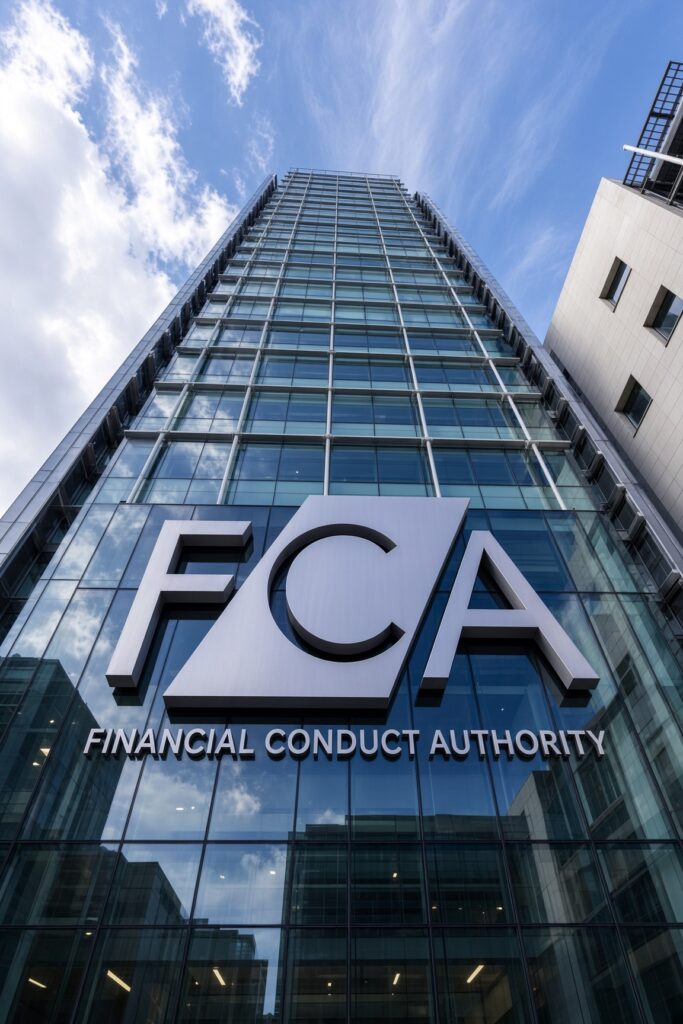
The Financial Conduct Authority opened its crypto authorisation gateway on September 30, the first time UK crypto firms can apply for full permission under the new regime rather than sit on the anti-money-laundering register.
Applications go through the FCA’s Connect system. The window runs to 11:59 p.m. on February 28, 2027. The regime itself starts on October 25, 2027. Firms that want to keep operating in Britain are expected to file inside that window. Authorisation is not automatic.
Dominic Cashman, the FCA’s director of authorisation, said the regime gives consumers protections they have not had and firms a framework to work inside. The standards the press release names are consumer protection, safeguarding, market integrity and financial resilience. Final rules and guidance landed in June. Perimeter guidance, PS26/18, followed on September 16. The legal base is the Financial Services and Markets Act 2000 (Cryptoassets) Regulations 2026, made in February.
The filing date is the part that decides who stays open. A firm that applies between September 30 and February 28 can keep providing cryptoasset services, including taking new business, if the FCA has not ruled by commencement. That is the savings provision. A firm that files late does not get it. A firm that does not file has to leave the UK market when the regime starts. The FCA says it expects to decide applications submitted in the window before October 25, 2027, and is offering pre-application meetings and webinars. It is not offering legal advice.
This is a different object from the existing money-laundering registration. AML registration let a firm operate under a narrow compliance overlay. The gateway is a FSMA permission: exchanges, custodians and other in-scope businesses need authorisation, or a variation if they are already authorised, for the new cryptoasset activities. The asset can still go to zero. What changes is who is accountable for conduct, custody and market abuse once the firm is inside the perimeter.
Europe is the comparison the industry is already making. MiCA’s transitional cutoff on July 1 left a large share of applicants, including major offshore names, without a licence. The UK window is five months, then a further eight before commencement, and the savings rule is written so a timely application is not a stop-the-business event. That is more orderly than a hard cutoff. It is also a filter. Groups that cannot document safeguarding, capital and governance by February will not be in the October 2027 market.
For UK users the practical change is later, not this week. No new consumer redress appears on September 30. The date that matters is October 25 next year, and only for firms that filed, and only for the activities the permission actually covers.


TOKEN2049 Opens in Singapore Next Week as the City Leads Regional Crypto Flow
TOKEN2049 runs October 7–8 at Marina Bay Sands. Organisers expect more than 25,000 people, from more than 7,000 companies and...


BTSE Receives a Full Licence to Trade and Custody Crypto in Bhutan
BTSE has a full financial-services licence in Gelephu Mindfulness City. The company said on September 29 that the Gelephu Financial...


South Korea Ranks Second in On-Chain Crypto Holdings as the Tax Date Holds
South Korea is second only to the United States in cryptocurrency that can be measured sitting in wallets and on...


HSBC Names Its Hong Kong Stablecoin RedCoin, and Starts With PayMe
HSBC named the stablecoin it has not yet issued. On September 30 the bank said the Hong Kong-dollar token will...


Hong Kong Moves Licensed Stablecoins Onto Exchanges and Into Fund Settlement
Hong Kong’s stablecoin law is already in force. The September policy address is the next step: the tokens those licences...


Japan’s Licensed Yen Stablecoin Traded at Four Times Its Peg on Upbit
JPYC, the first yen stablecoin licensed in Japan, opened on Upbit on September 17 and briefly traded at about four...


South Korea Sets Capital and Ledger Rules for Tokenized Stocks and Bonds
The Financial Services Commission published the subordinate rules that would let tokenized securities start in Korea on February 4, 2027....


Singapore Reclaims the Regional Crypto Lead at $284 Billion as the Rest of CSAO Shrinks
Singapore is again the largest crypto economy in Central and Southeast Asia and Oceania. Chainalysis put activity there at $284...

UK FCA Opens Crypto Licensing Gateway, Giving Firms Until February 2027 to File
The Financial Conduct Authority opened its crypto authorisation gateway on September 30, the first time UK crypto firms can apply...


Robinhood Puts Hedge-Fund Tools in the App as Macro Turns Softer
Robinhood used HOOD Summit in Houston to do what the brokerage has been signaling all year: stop being only a...
-

 Crypto4 weeks ago
Binance Completes 48th Monthly LUNC Burn as BNB Chain Marks Six Years
-

 DeFi2 weeks ago
Bitcoin Reclaims $81,000 and Closes Above Key 50-Week Moving Average
-

 DeFi3 weeks ago
Solana Sets Record with Over 263,000 New Tokens Minted in a Single Day
-

 DeFi1 month ago
Tokenized Stock Volume Jumps 415% in a Month as Holder Base Explodes
-

 Bitcoin1 month ago
Strategy Ends 10-Week Pause, Buys 4,603 BTC for $369.7 Million
-

 Crypto4 weeks ago
Arbitrum (ARB) Surges Nearly 30% as Robinhood Chain Revenue Explodes
-

 Crypto1 month ago
Stellar’s Tokenized RWA Market Quadruples to Nearly $4 Billion
-

 Bitcoin1 month ago
Bitcoin Delivers Strongest August Since 2017 as Rally Digests Macro Signals
-

 Bitcoin1 month ago
Spot Crypto ETFs Attract Over $2 Billion in Weekly Net Inflows
-

 DeFi3 weeks ago
Visa Stablecoin Settlement Volume Hits $20 Billion Annualized Run Rate
-

 DeFi4 weeks ago
Chainlink Partners with Bottomline to Enable Cross-Chain Payments for 600+ Banks
-

 DeFi4 weeks ago
Dash Leads Privacy Coin Rally with Massive Gains
-

 DeFi4 weeks ago
Zcash Breaks $1,000 for First Time in Nearly a Decade on ETF Momentum
-

 DeFi1 week ago
Coinbase Adds Fixed-Rate Bitcoin-Backed Loans via Morpho Midnight
-

 DeFi4 weeks ago
NYSE Owner ICE Bets on tZERO to Advance Tokenized Securities Infrastructure
-

 DeFi4 weeks ago
CME Overtakes Other Venues to Become Leading XRP Futures Market
-

 DeFi4 weeks ago
Macro Pressure Intensifies: Rising Yields, Oil Spike, and Fed Hike Odds Weigh on Risk Assets
-

 Crypto1 month ago
Bitwise Solana ETF (BSOL) Becomes First to Cross $1 Billion in Assets
-

 DeFi3 weeks ago
First U.S. Staked TRX ETF (Canary TRXS) Debuts
-

 Bitcoin1 month ago
Strive Acquires 1,800 BTC for $143 Million, Enters Top Five Corporate Holders
-

 Bitcoin4 weeks ago
Bitcoin Slips Below $80,000 After Strong U.S. Jobs Report Despite Record ETF Inflows
-

 DeFi3 weeks ago
Ethereum Advances Plans for Gas Payments Without Holding ETH
-

 DeFi3 weeks ago
Senate Republicans Release “Final” CLARITY Act Draft Ahead of September 15 Cloture Vote
-

 DeFi4 weeks ago
London Stock Exchange Partners with Kraken Parent to Tokenize Top UK Stocks
-

 Bitcoin3 weeks ago
Liquid Network Exploit: 4,000 BTC Drained, 3,400 Returned in White-Hat Negotiation
-
DeFi1 week ago
Bitcoin Surges Above $87,000 on ETF Inflows and Massive Short Squeeze
-

 Bitcoin1 week ago
X Partners With Coinbase, Kraken, Gemini and Brokers to Trade From the Timeline
-
 DeFi1 week ago
Bitcoin Surges Above $87,000 as Crypto Market Cap Reclaims $3 Trillion
-

 DeFi2 weeks ago
SEC Opens Pathway for Tokenized U.S. Equities After Legislative Setback
-
 DeFi2 weeks ago
CFTC Submits Crypto Market Rules to White House Amid Congressional Stall
-

 Bitcoin3 weeks ago
Crypto Market Faces Pressure as Bitcoin Tests Support Near $78K Amid Macro Headwinds
-

 DeFi2 weeks ago
Circle Launches Arc Mainnet with Institutional Validators Including BlackRock and Visa
-

 DeFi3 weeks ago
Bitmine Immersion Continues Aggressive ETH Accumulation
-

 Bitcoin1 month ago
Bitcoin ETF Inflow Streak Ends Amid Hawkish Fed Commentary
-

 DeFi3 weeks ago
Circle to Acquire Tazapay for $400 Million
-

 Bitcoin3 weeks ago
Bitcoin Slips Under $79,000 as Fed Rate-Hike Odds Hold Near 60%